


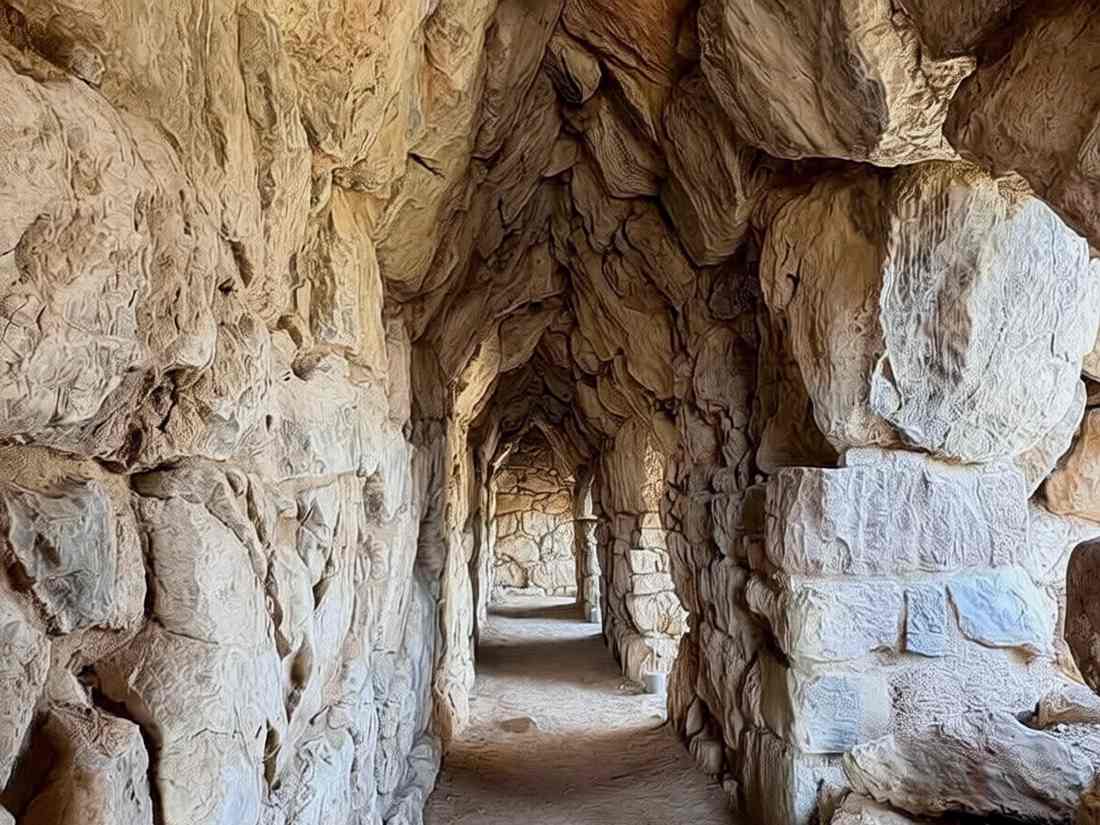
Ancient Tiryns
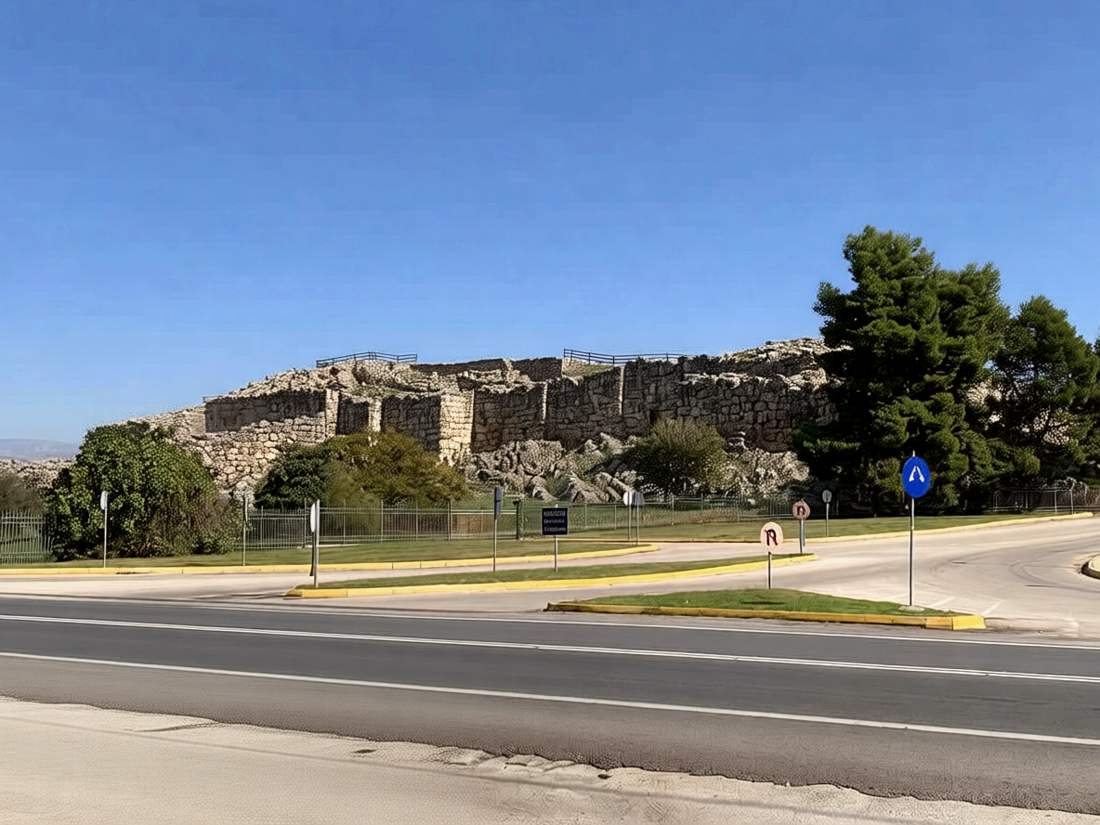
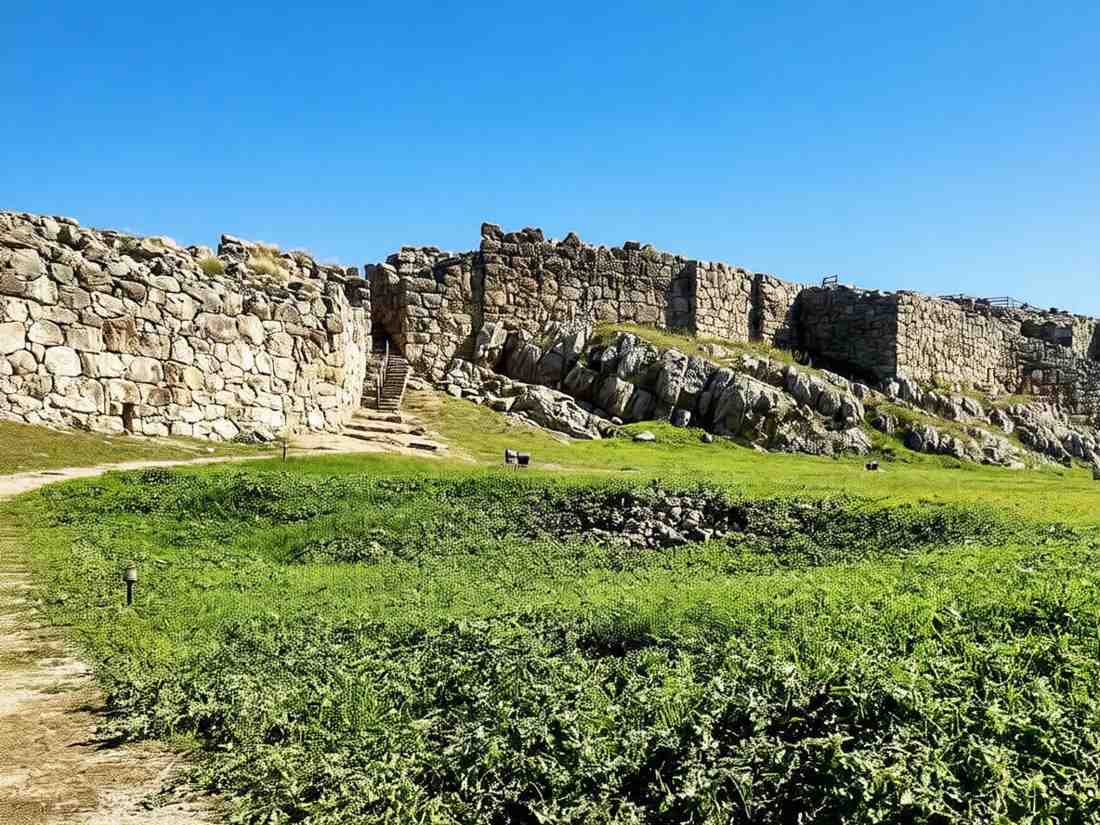
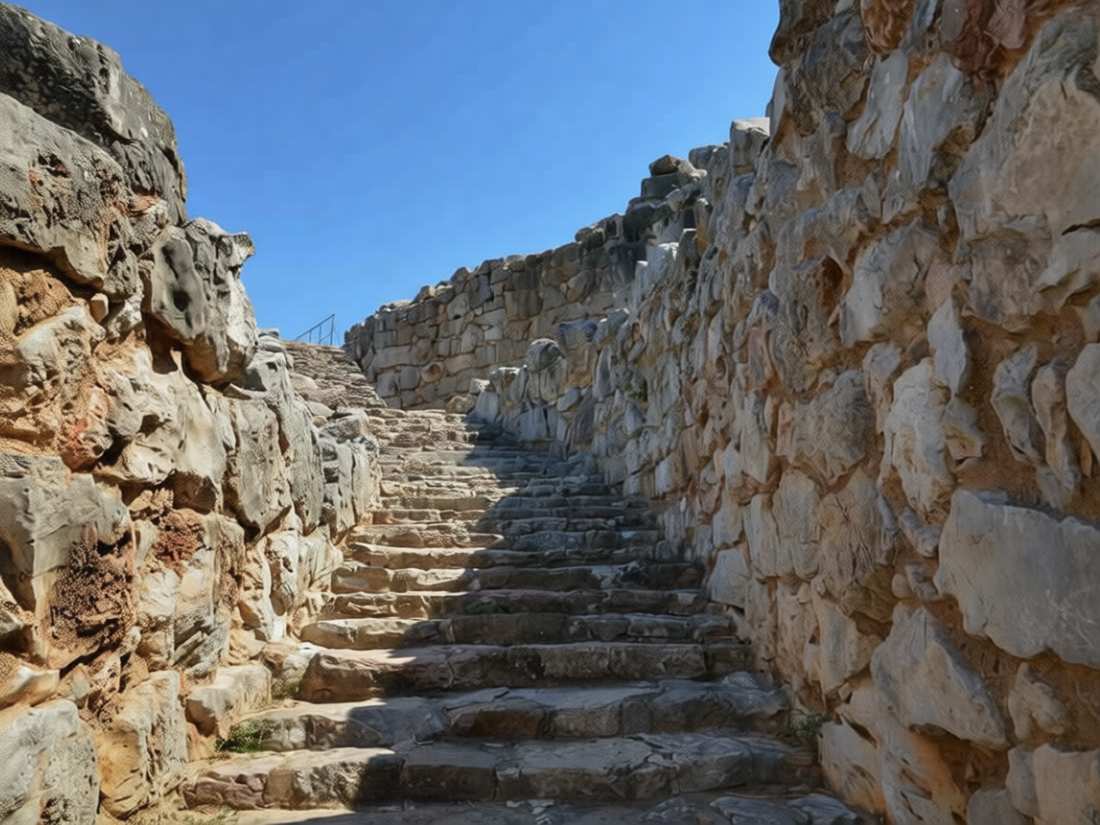
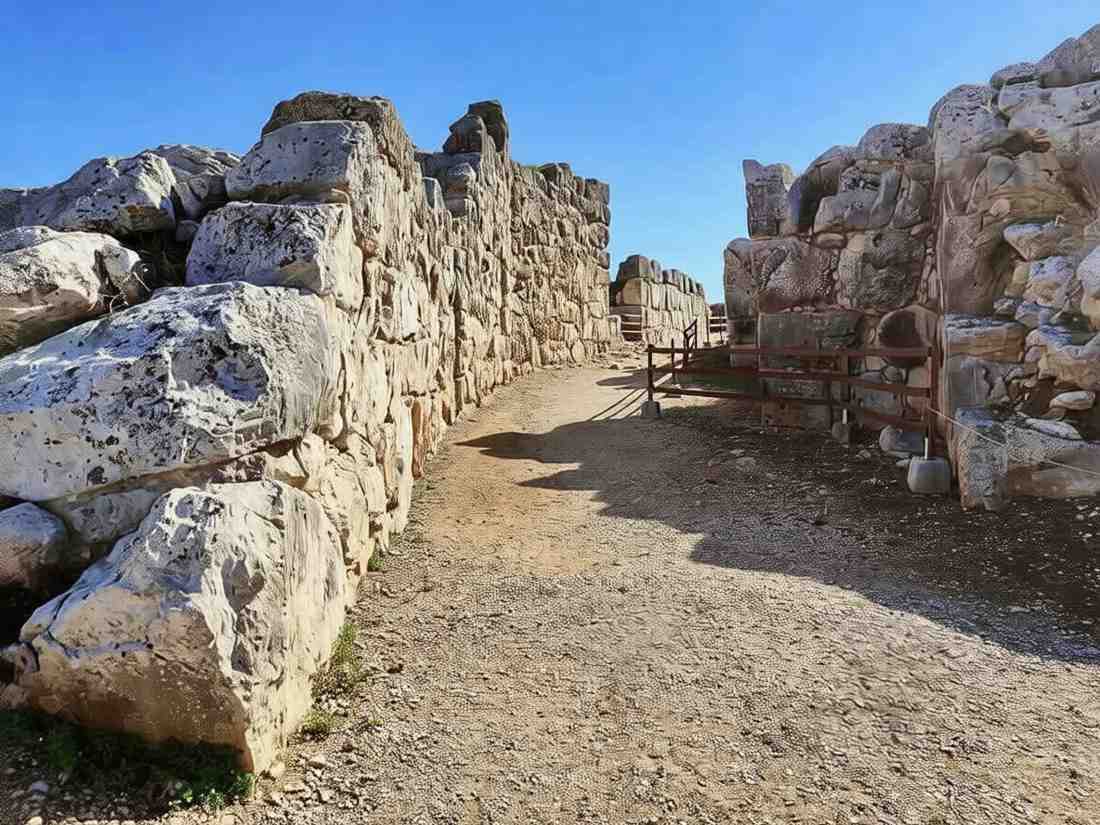
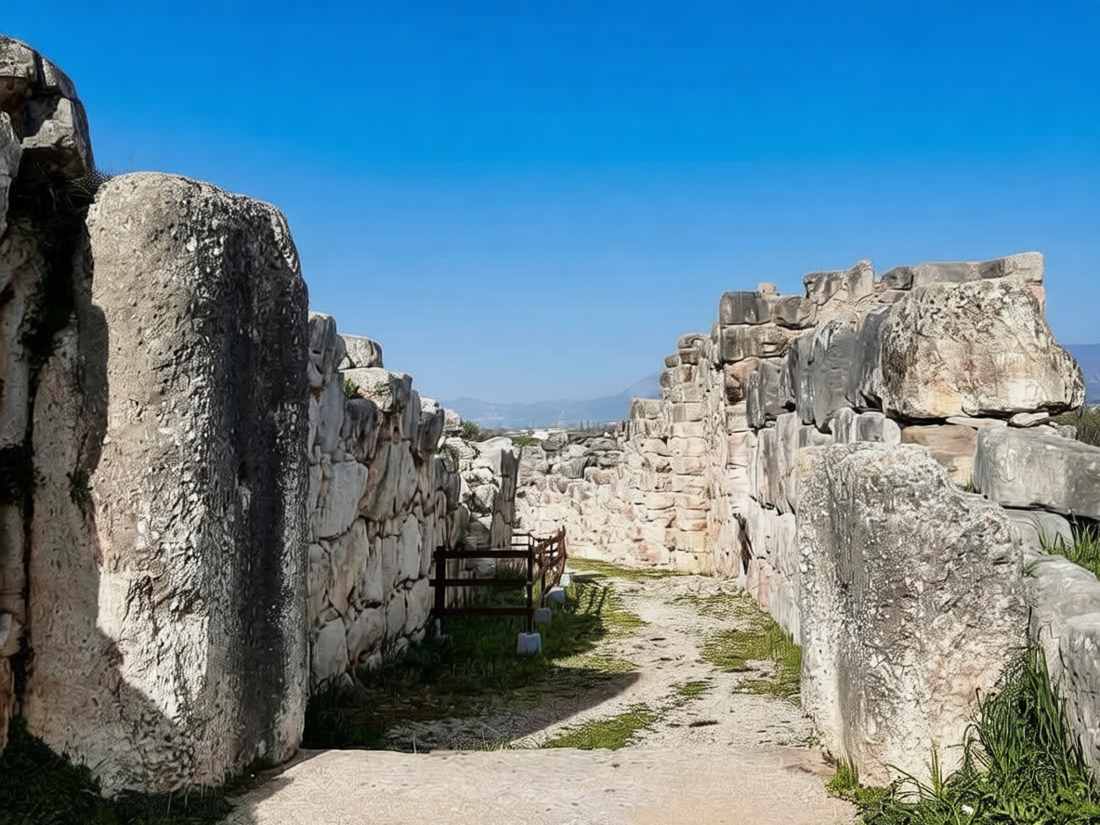
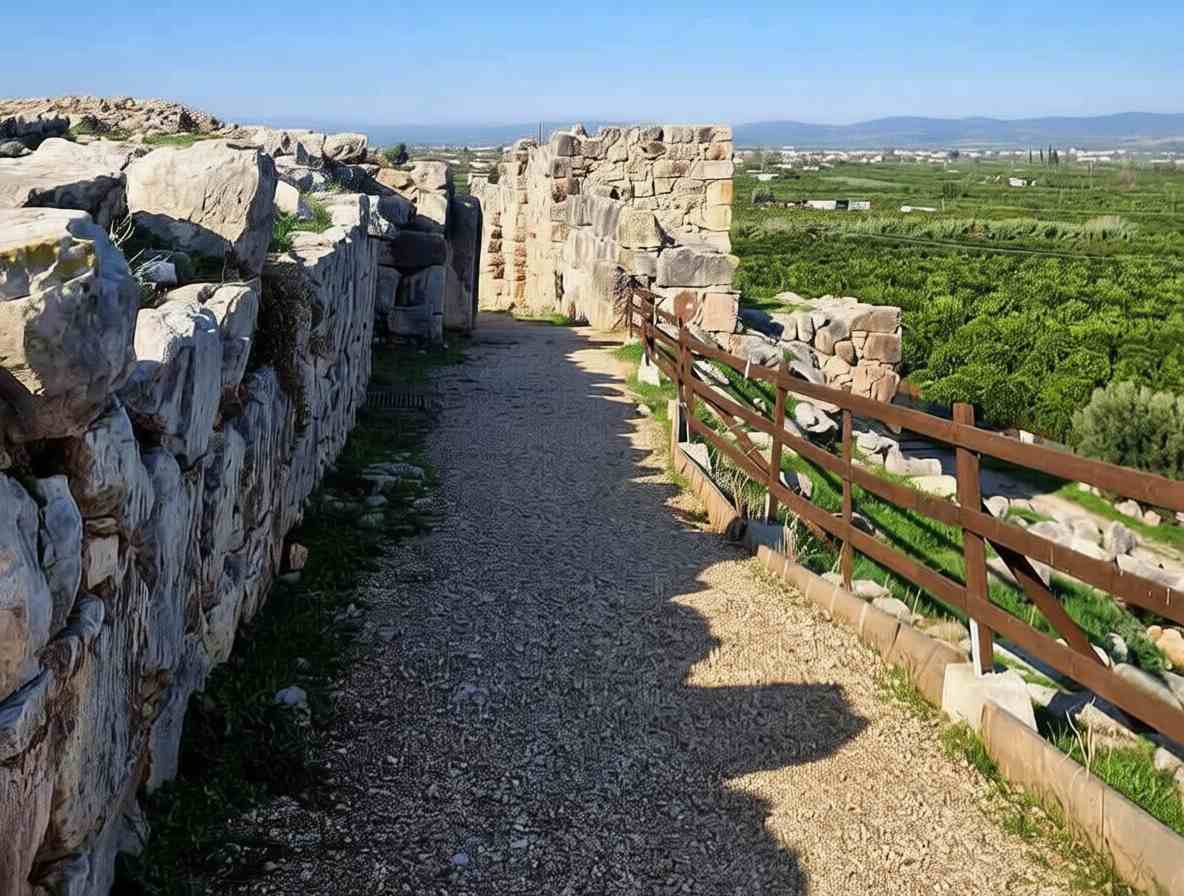
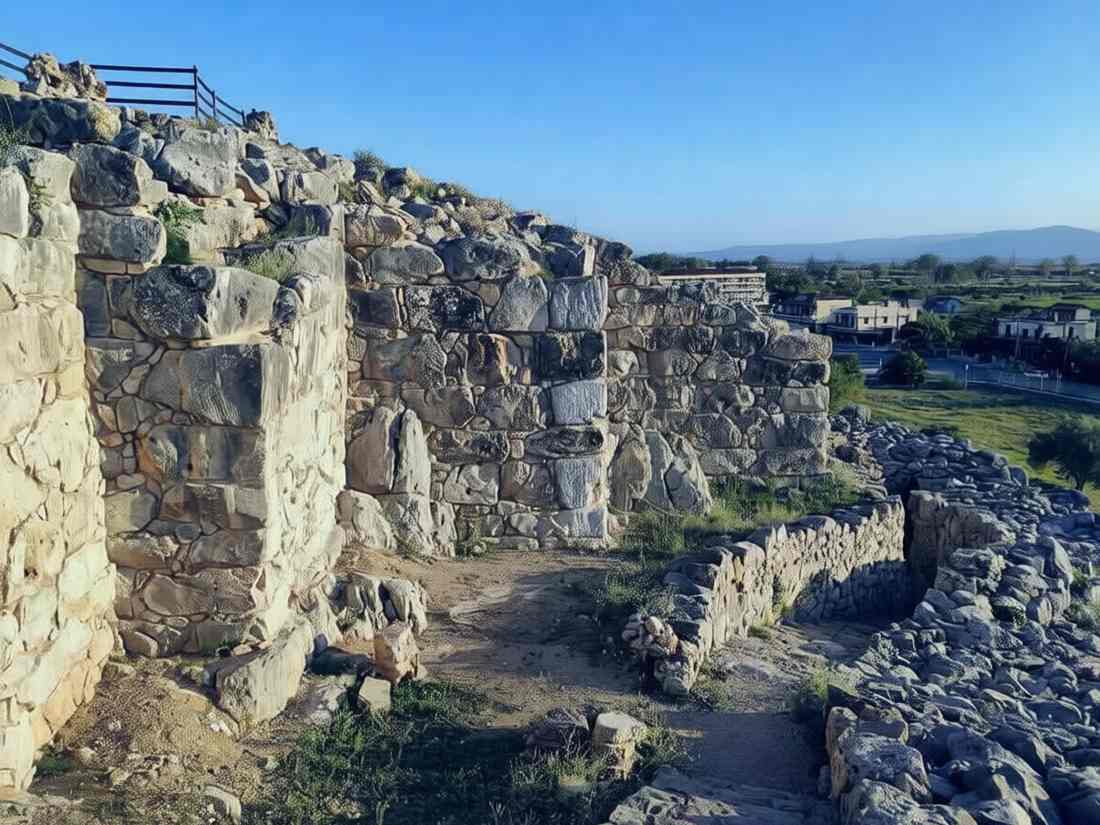
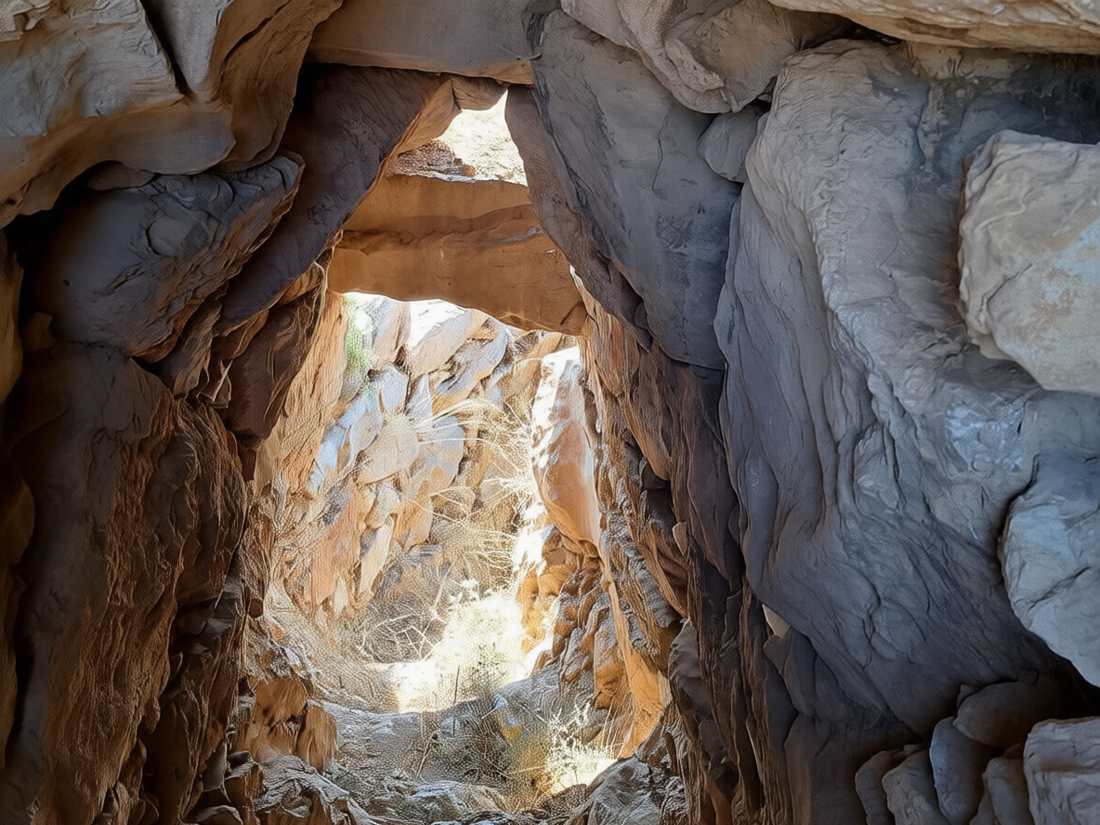
Ancient Tiryns is one of the most mysterious cities of Mycenaean civilization, an ancient fortress in Argos on the Peloponnese peninsula. The city was founded at the beginning of the Bronze Age, flourished in the 14th-12th centuries BC, and went down in history thanks to its grandiose Cyclopean walls and hidden tunnels, built of large blocks of stone. According to Pausanias, even two mules could not move the smallest stone. It is no coincidence that Homer called this ancient city the fortified Tiryns. Its mighty walls still amaze the imagination today, and the city itself is inextricably linked to the myths of Heracles. According to legend, it was here that one of the most powerful heroes of the ancient world, Heracles, was born. The fortress played a key role in defending the ancient city of Mycenae from the sea and at the same time impressed with its high level of engineering. To protect the settlement from destructive floods, the course of the stream was changed and a hill was levelled, one of the most daring hydraulic engineering solutions of the ancient world. The acropolis of Tiryns housed a palace complex with megarons decorated with frescoes, columns, and ornaments. The exquisite architecture of the interior halls contrasted sharply with the rough, almost frightening power of the wide cyclopean walls and gates. The ancient city was destroyed by an earthquake in 464 BC, and its ruins are located near the city of Nafplio. Heinrich Schliemann began large-scale excavations of Tiryns in 1884-1885, and together with archaeologist Wilhelm Dörpfeld, he revealed to the world the ruins of the Mycenaean palace with its frescoes and cyclopean walls. Today, it is one of the most impressive monuments of the Mycenaean era.
Guest reviews
You may also be interested in similar information
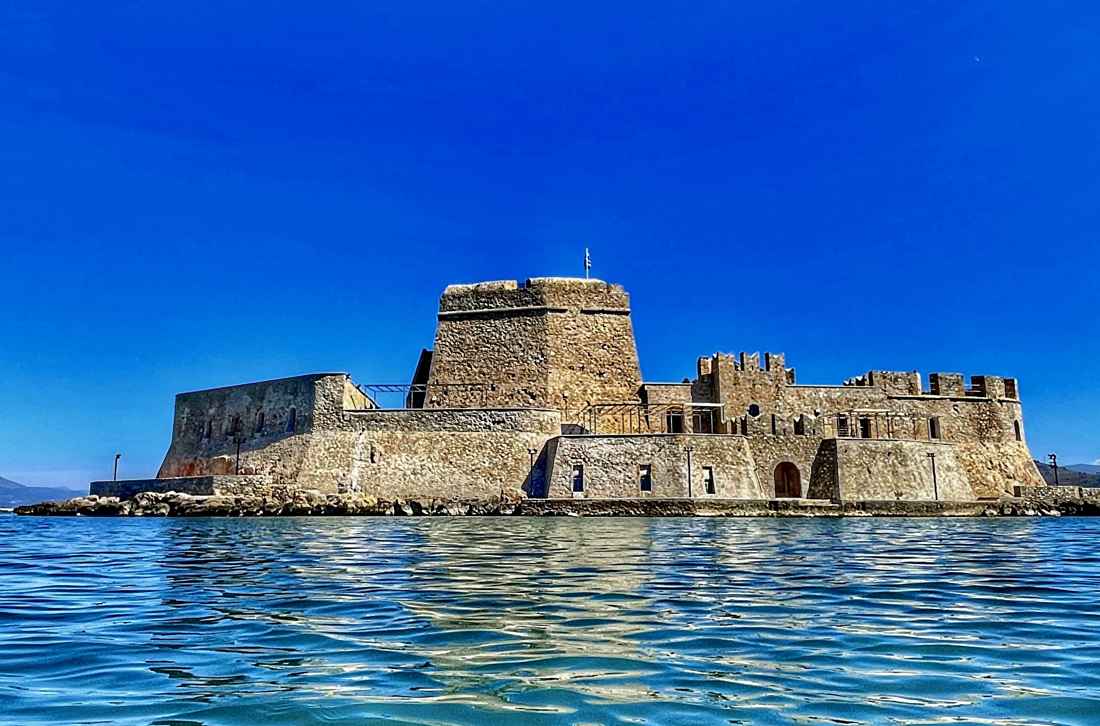
Island fortress Bourtzi
Nafplio, Greece
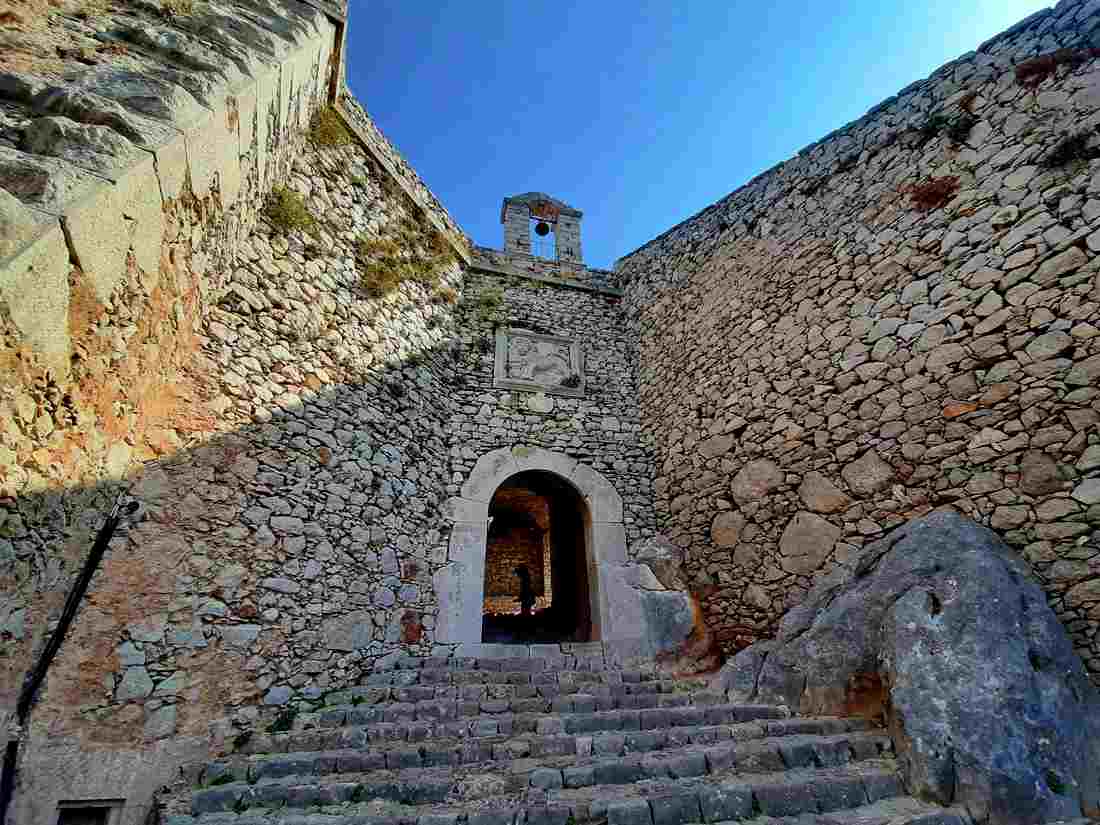
Palamidi Fortress
Nafplio, Greece
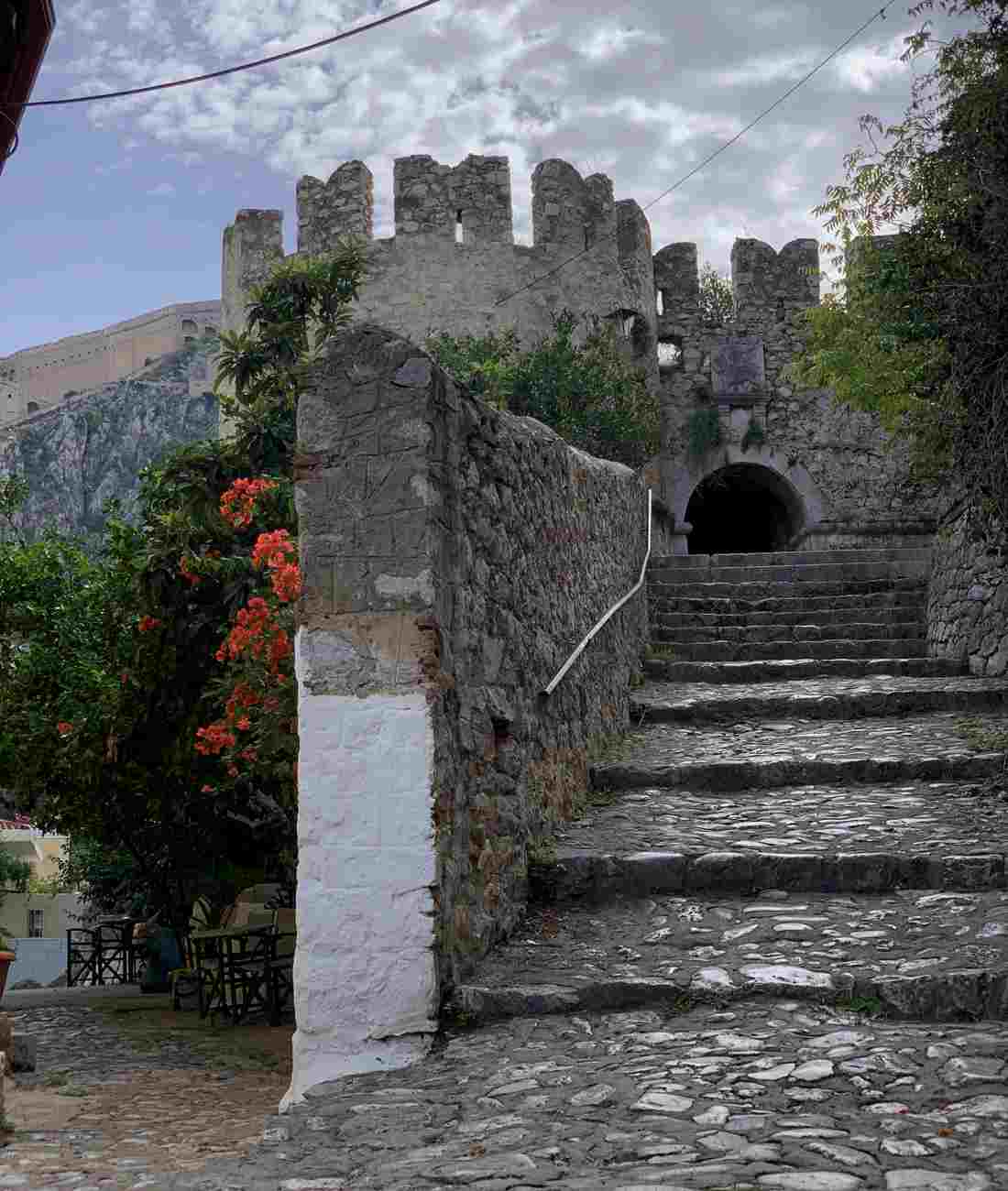
Akronafplia Castle
Nafplio, Greece
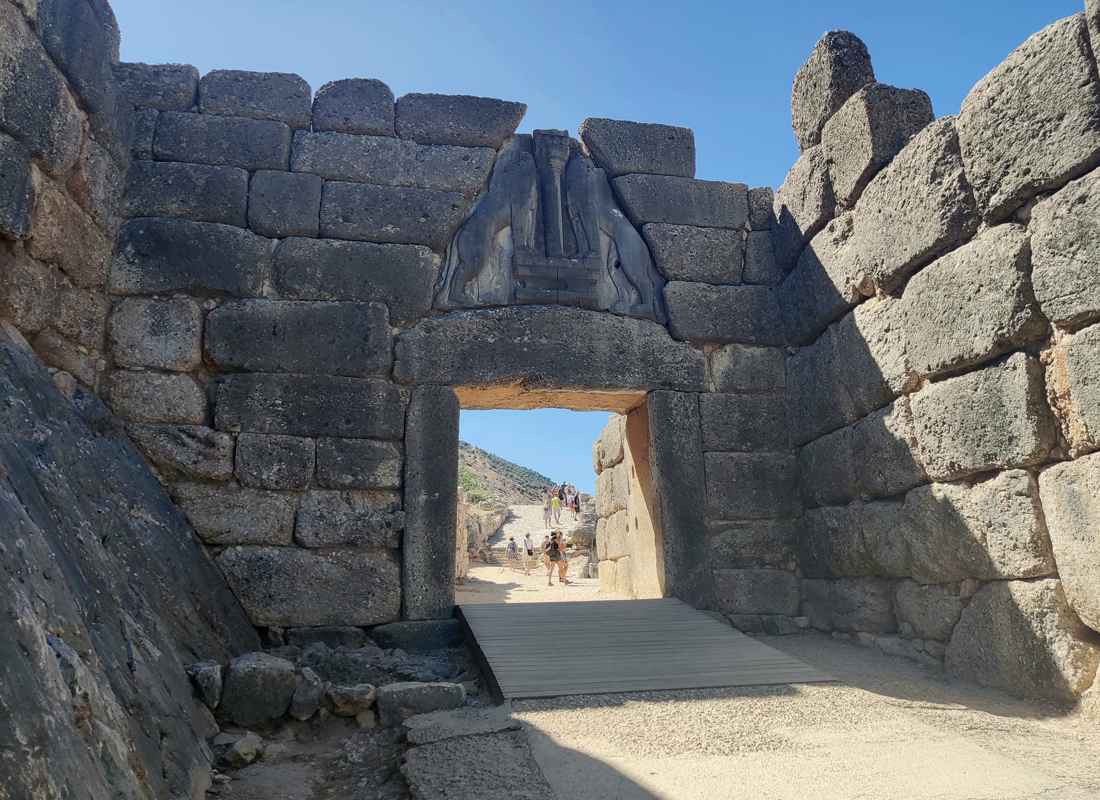
Ancient Mycenae
Nafplio, Greece

Ancient Asklepion of Epidaurus
Nafplio, Greece
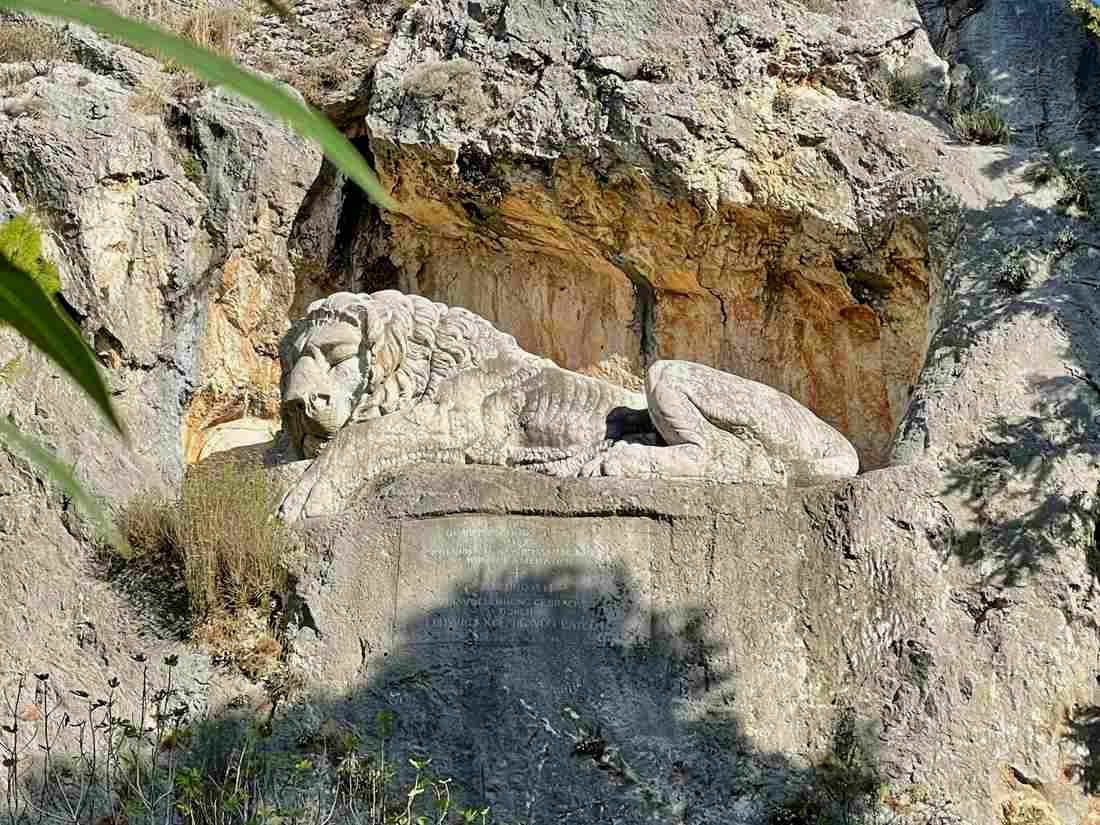
Lion of the Bavarians
Nafplio, Greece
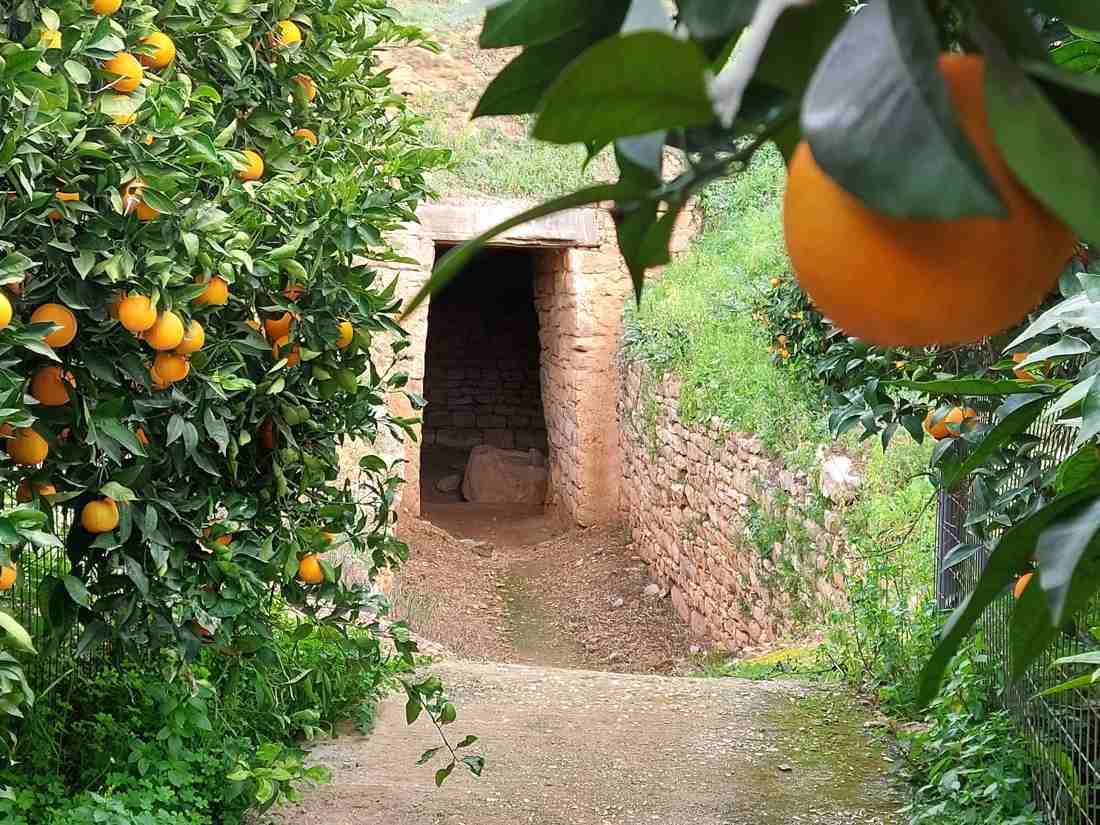
Vaulted tomb of Tiryns
Nafplio, Greece
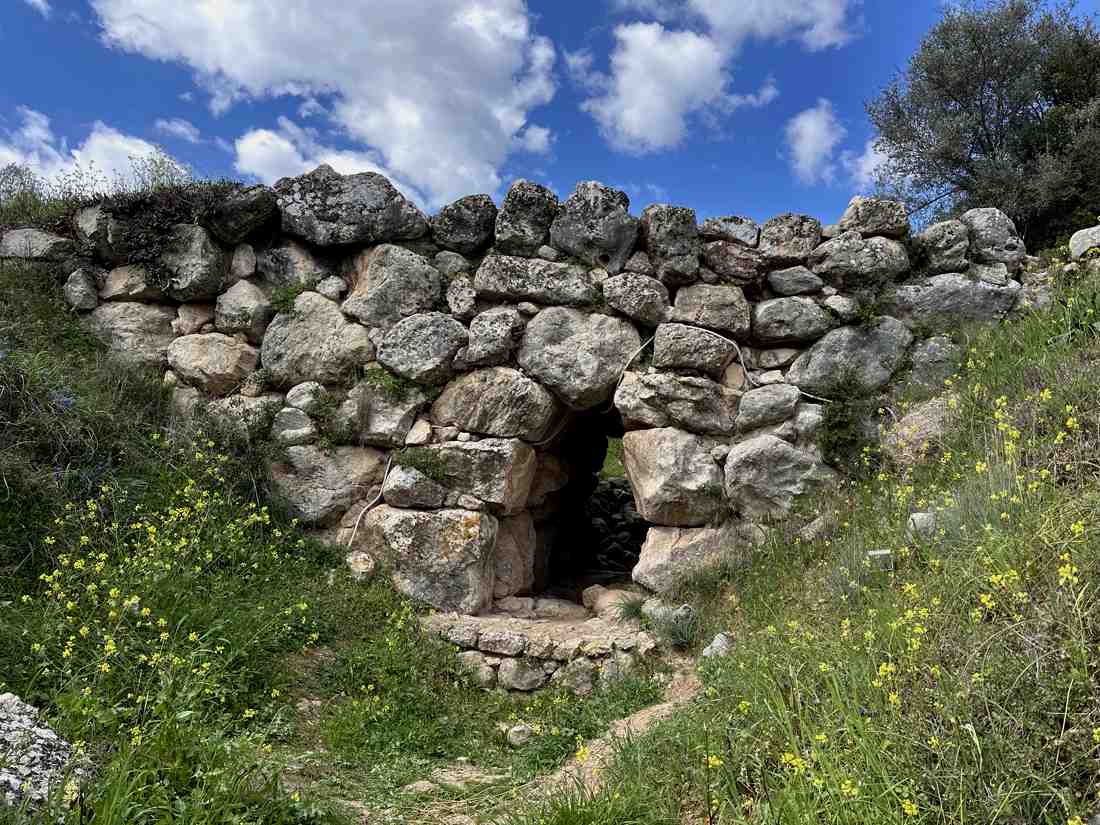
The ancient bridge of Arkadiko
Nafplio, Greece
